EMDR, the bridge between psychotherapy and hypnotherapy.

Updated: Dec 8, 2025
EMDR: W h e r e S c i e n c e M e e t s The S o u l
If you've ever heard of Eye Movement Desensitisation and Reprocessing (EMDR), you
probably know it's a therapy often used for trauma. But what you might not realise—
Unless you, or someone close to you, has tried it, it is just how much deeper the journey
with EMDR can go. For many, it becomes more than a therapy session; it's a bridge
between the world of psychotherapy and something far more spiritual and
transformative.
Let's talk openly-because whether you're curious about EMDR for yourself, supporting
someone through their healing, or just fascinated by how our minds work, this is a space
for you. I want to share what makes EMDR so unique and, honestly, a little bit magical.
The Science of Healing: How EMDR Works
First things first, EMDR is grounded in science. If you've ever felt stuck, replaying the
same bad memories or triggers in your mind, you're not alone. Our brains sometimes
"freeze" distressing memories so they keep causing pain over and over, long after the
event has passed.
This is where EMDR steps in. Think of it as resetting a glitchy computer-the therapy
uses a method called bilateral stimulation. If you've ever watched a therapist move their
fingers side to side while you follow with your eyes, listened to beeps alternating in
headphones, or felt taps on your hands, that's bilateral stimulation in action.
While you focus on a troubling memory, these side-to-side movements help your brain
process and file away the pain so it's no longer running your life. You don't forget the
memory, but the emotional charge—it just fizzles out. Imagine being able to remember
something painful without your whole body tensing up. It's like your brain finally realises,
"Hey, I'm safe now." That's the magic of EMDR psychotherapy at a neural level: it helps your mind restore balance and puts you back in the driver's seat.
Reconnecting with Your Authentic Self
Here's where things get even more interesting-and dare I say, spiritual. If you've been
through trauma, you know it doesn't just shake your thoughts; it can bury your sense of
self under years of fear and self-protection.
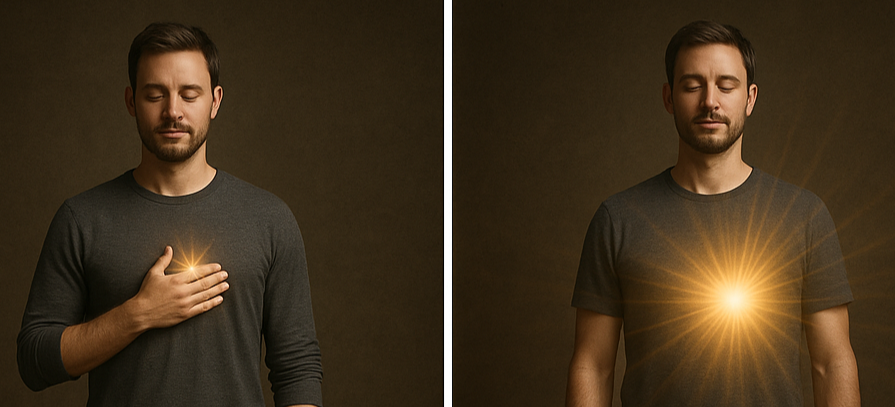
But when EMDR helps loosen those old knots, many people describe an unexpected and beautiful side effect: a feeling of lightness they barely remember having, a sense of actually coming home to themselves. You might notice that a part of you—your true self—begins to peek through once the old pain is gone.
Maybe you'll relate to this: someone who once flinched at the sound of raised voices
notices, one day, that they're calm during a family argument. Or, after years of feeling
disconnected, you catch yourself laughing, feeling whole, and at ease. It's not about
becoming a new person; it's about letting your original, unbroken self step forward.
F r o m P i e c e s to P e a c e
Trauma splinters us. We adapt, survive, and compartmentalise. EMDR gently invites those
scattered parts back into the circle. As you go through the process, you may find
yourself feeling:
• Lighter: Like you've finally let go of something you didn't even realise you were
holding.
• Connected: To yourself, to others, maybe even to the world in a way you haven't felt
in years.
• Whole: For the first time, or the first time in a long while.
This is more than therapy. It's a healing of the mind that ripples out, showing you how
deeply interconnected body, mind, and spirit can be.
W h e n S c i e n c e a n d Spirit Meet
Let's be realistic: not everyone seeks EMDR psychotherapy for spiritual reasons. In fact, most people are just looking for relief from anxiety, nightmares, or that constant sense that something isn't right. But here's what surprises many: as your mind begins to heal, you may start to sense an inner presence that's steady, at peace, and —dare I say it-unconditionally you.
Every set of eye movements is a small act of awakening. Each step releases another
layer of old pain, and your awareness expands. Science is at play, but so is something
softer: a remembering of who you are, beyond any trauma.
The Journey from Pain to Liberation
Maybe the most inspiring part of EMDR is what comes after the hard work. The energy
you once poured into survival becomes available for love, creativity, and connection. Old wounds don’t just close—they transform. Suddenly, you’re not just surviving; you’re thriving.
So, is EMDR just about desensitising painful memories? Absolutely not. It is about liberation. It’s the process of letting go of pain, of stepping out of the past, and living fully right now, as the person you were meant to be.
By blending the rigour of science with the heart of spirituality, EMDR offers a path to real and lasting healing. You learn that your past doesn’t define you, and your wounds don’t have to hold you back. Through this process, you might just discover what so many before you have found: you are whole, resilient, and already more than enough.
If you’re considering EMDR—or you’re on the journey right now—I hope you know: healing is possible, and you don’t have to walk it alone. I am here to help you.
